Flow
Eventually, all things merge into one, and a river runs through it. — Norman Maclean

Rivers have long served as a metaphor for life.
Greek philosopher Heraclitus was already employing this representation in 500 BC when he said, “No man ever steps in the same river twice, for it’s not the same river and he’s not the same man.”
The Scriptures use rivers to symbolize transformation and providence. Both Dante in the Divine Comedy and Chaucer in the Canterbury Tales use rivers as allegories in their writing. This imagery still prevails in modern literature and works of art.
Rivers have been a constant presence in my life—a metaphor that I am living to decipher.
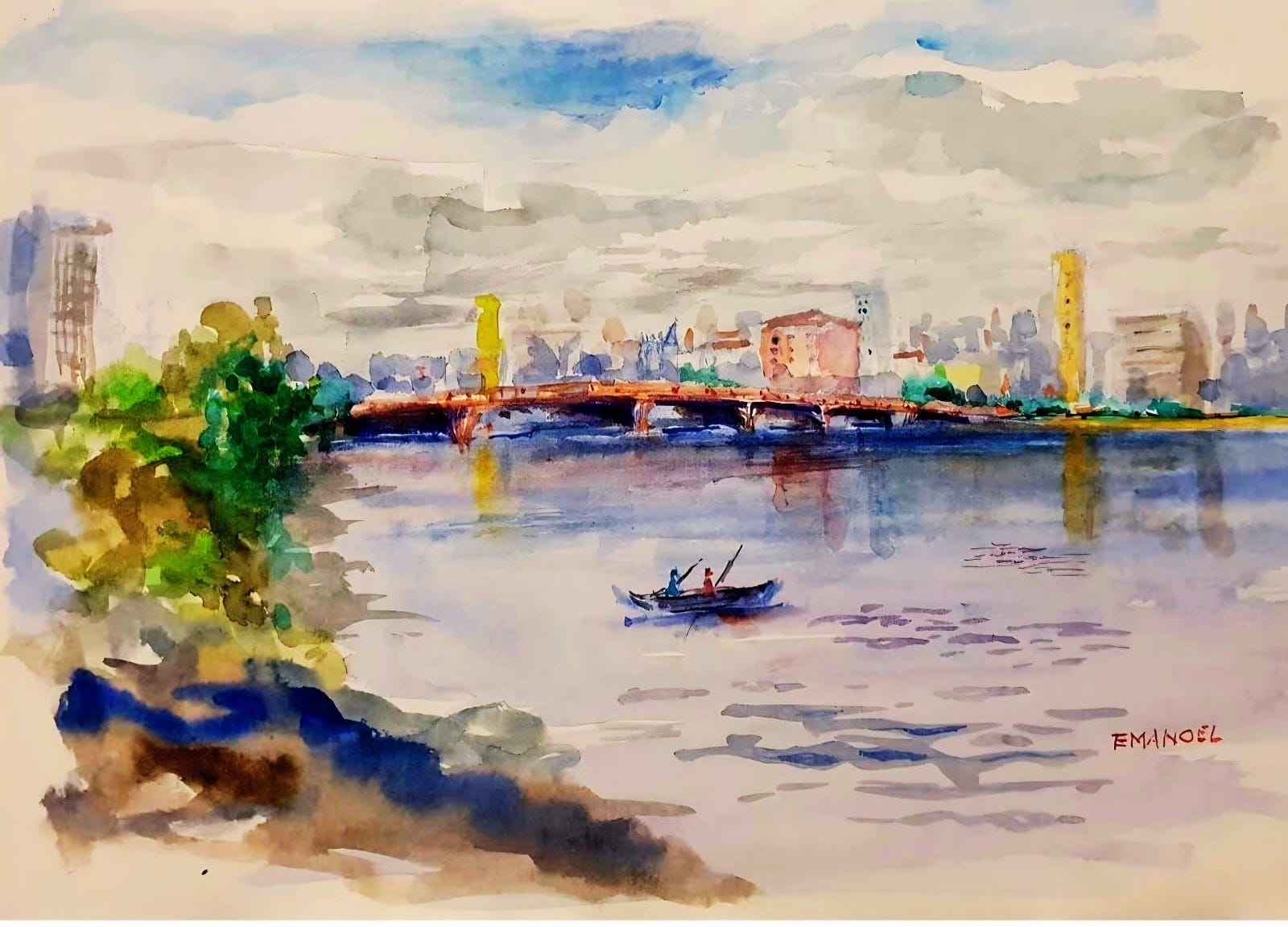
My hometown, Recife, is known as the Brazilian Venice. The city was built at the confluence of two rivers—Capibaribe and Beberibe—that meet before emptying into the Atlantic Ocean. These rivers are home to capybaras that shamelessly sunbathe on nearby walkways and parks.
Many bridges and their phantoms keep the secrets of this 489-year-old city. Though none of the elegant, ornate structures built during its Dutch occupation remain, curious stories and legends of the first bridges built over South America’s waters persist.
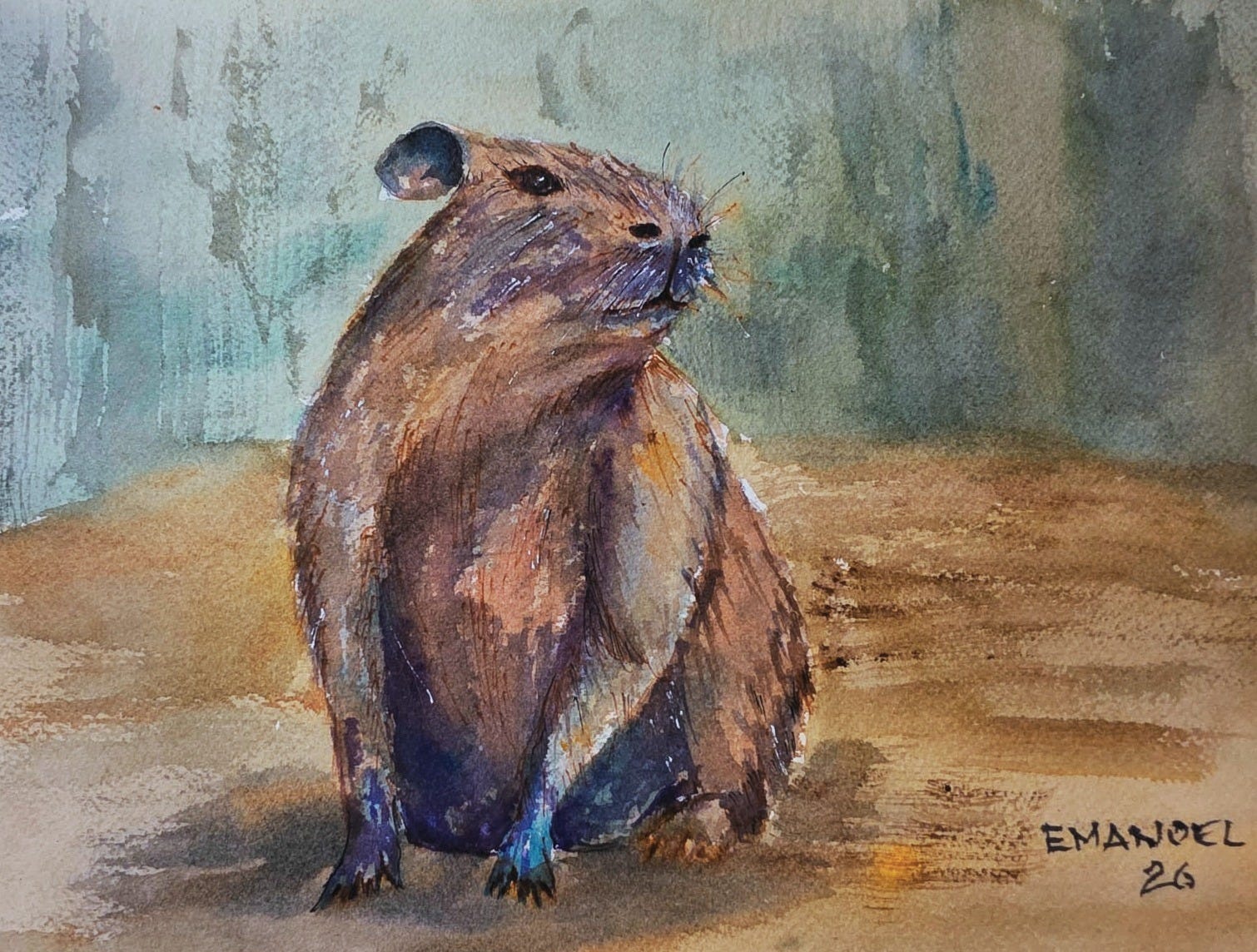
Rivers also serve as symbols of the stark realities of the developing country metropolis. Wealthy high-rises and luxurious shopping centers line one riverbank, while on the other, people live in cardboard shelters without sanitation.
I understand the struggle of local poets, who sometimes depict our rivers with romanticism and nostalgia, and other times with disdain for their role as reflectors of social inequalities.
Childhood memories of seeing—from the backseat of my mother’s car—other little kids playing naked in visibly polluted waters, carriers of sewage and garbage, will always haunt me.
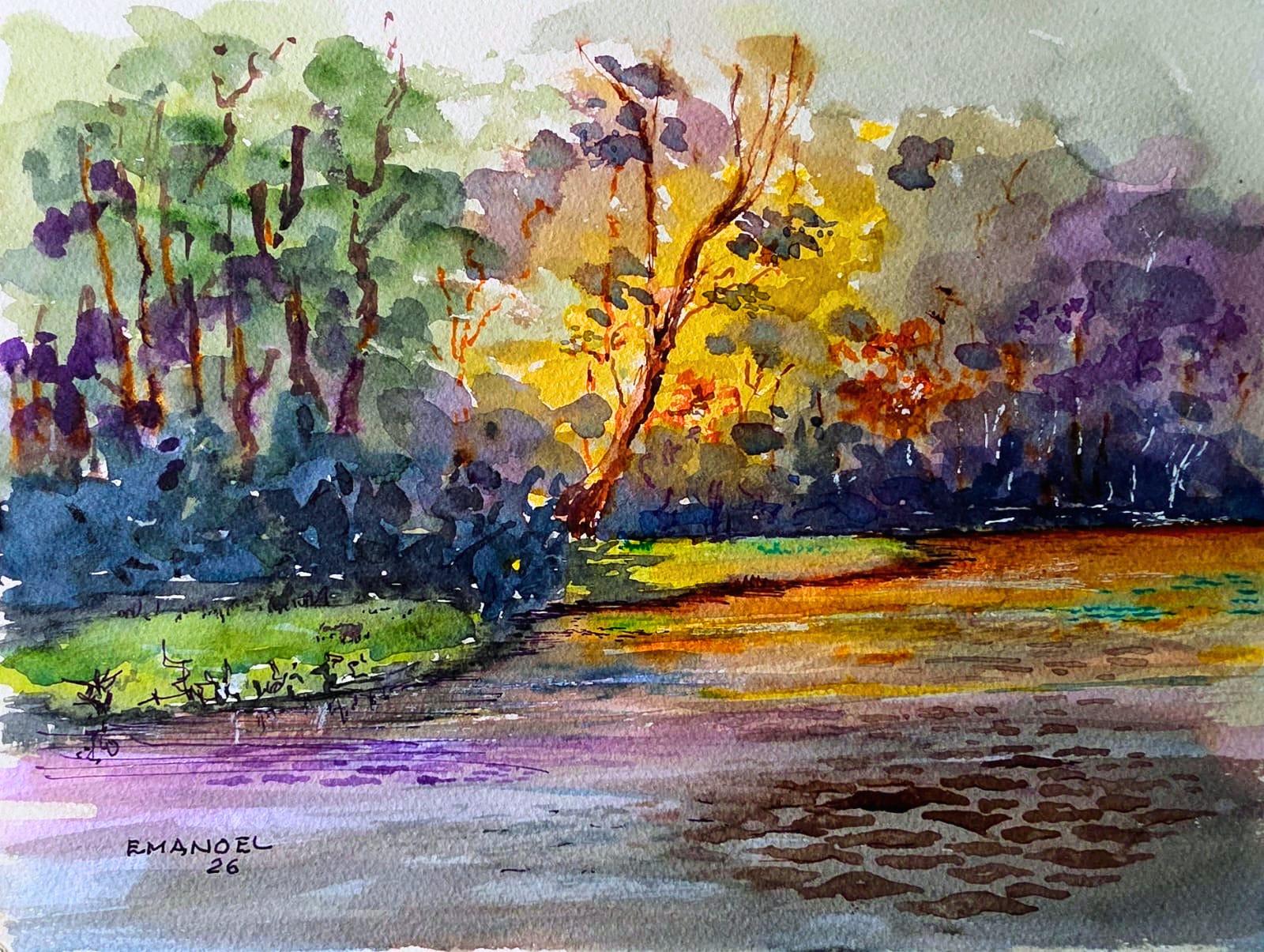
The least connected I’ve ever been with rivers was while living in the southern American states of Louisiana and Arkansas. That’s when literature turned my attention back to the water.
In The Awakening, Kate Chopin’s 1899 pioneering work of feminist literature, the protagonist, Edna, drowns in the Gulf of Mexico, right where it borders Louisiana.
The closest river to where I lived in that state is the Mermentau River. Chopin’s book made such a powerful impact in my early 20s that, most of the time, as I passed by that river, simply because of its flow toward the Gulf, I remembered Edna and was challenged by her radical pursuit of autonomy.
Despite its very different ecosystem from the rivers of Recife, the Mermentau, as it joins the Gulf, ultimately also mixes with the Atlantic Ocean.
Could there be a metaphor here?
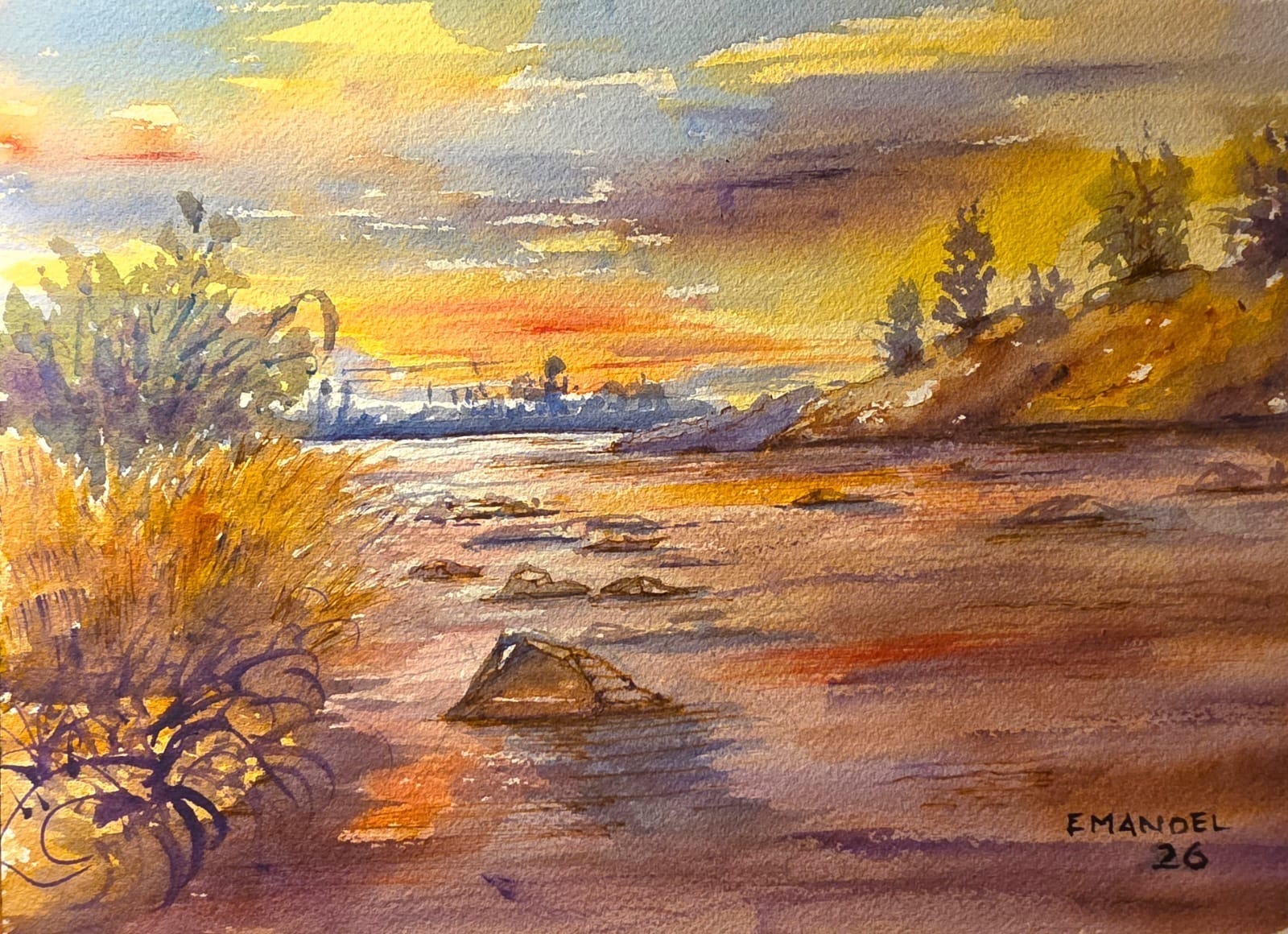
In Arkansas, I first lived by the foothills of the Ozark Mountains near multiple tributaries of the Missouri and Arkansas rivers—both of which empty into the Mississippi.
Mark Twain, whom I studied while pursuing an undergraduate degree in English, borrowed the Mississippi River as a metaphor for life, personal growth, and freedom. The writer’s dream career of working as a steamboat pilot in those waters was cut short by the Civil War, ultimately changing the course of his life—and of American literature. But not of the river.
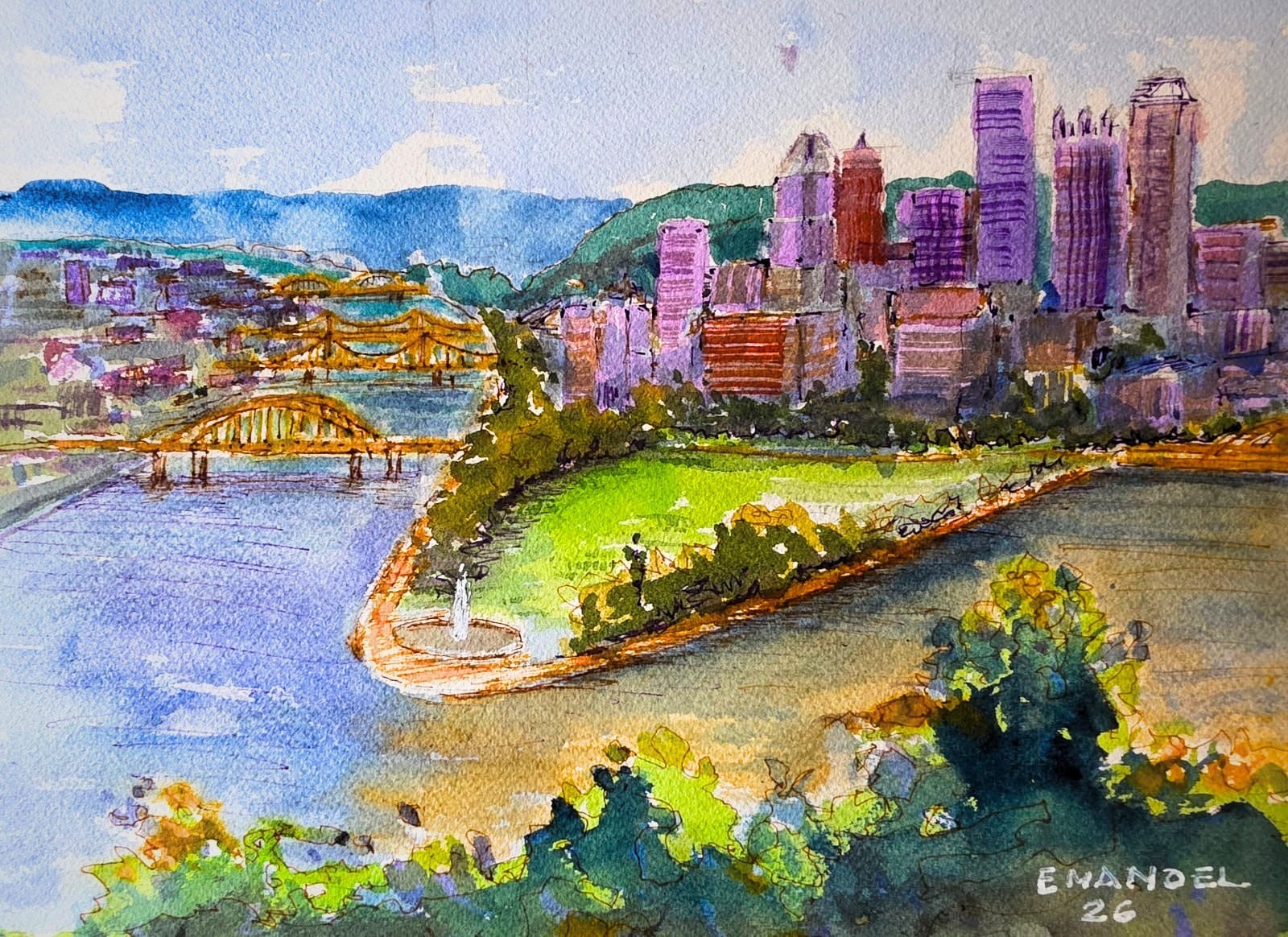
By now, I’ve been in Pittsburgh longer than anywhere else. When I first moved here, I lived within walking distance of the city’s iconic “Point”—the confluence of the Allegheny, the Monongahela, and the Ohio rivers.
The metaphor then was clear: I was also coming together as an adult and yearning to find my own course.
My apartment was on the edge of the Rachel Carson Bridge. Only the riverwalk separated the windows from the Allegheny River. From the balcony, holding a coffee cup, I’d nod good morning to pedestrians in business attire about to cross the bridge into downtown. The water reflected the sunbeams in the morning and the skyline at night. Even rainy days were beautiful so close to the water.
A few years later, I moved northwest of the city, and my windows faced the Ohio. In American history, this river represents liberation, as it served as a passageway for enslaved people. I read Toni Morrison’s Beloved a few feet from the Ohio River and will always have reverence for the waters that guided so many toward freedom.
Rivers have always served as escape routes—literally and metaphorically.
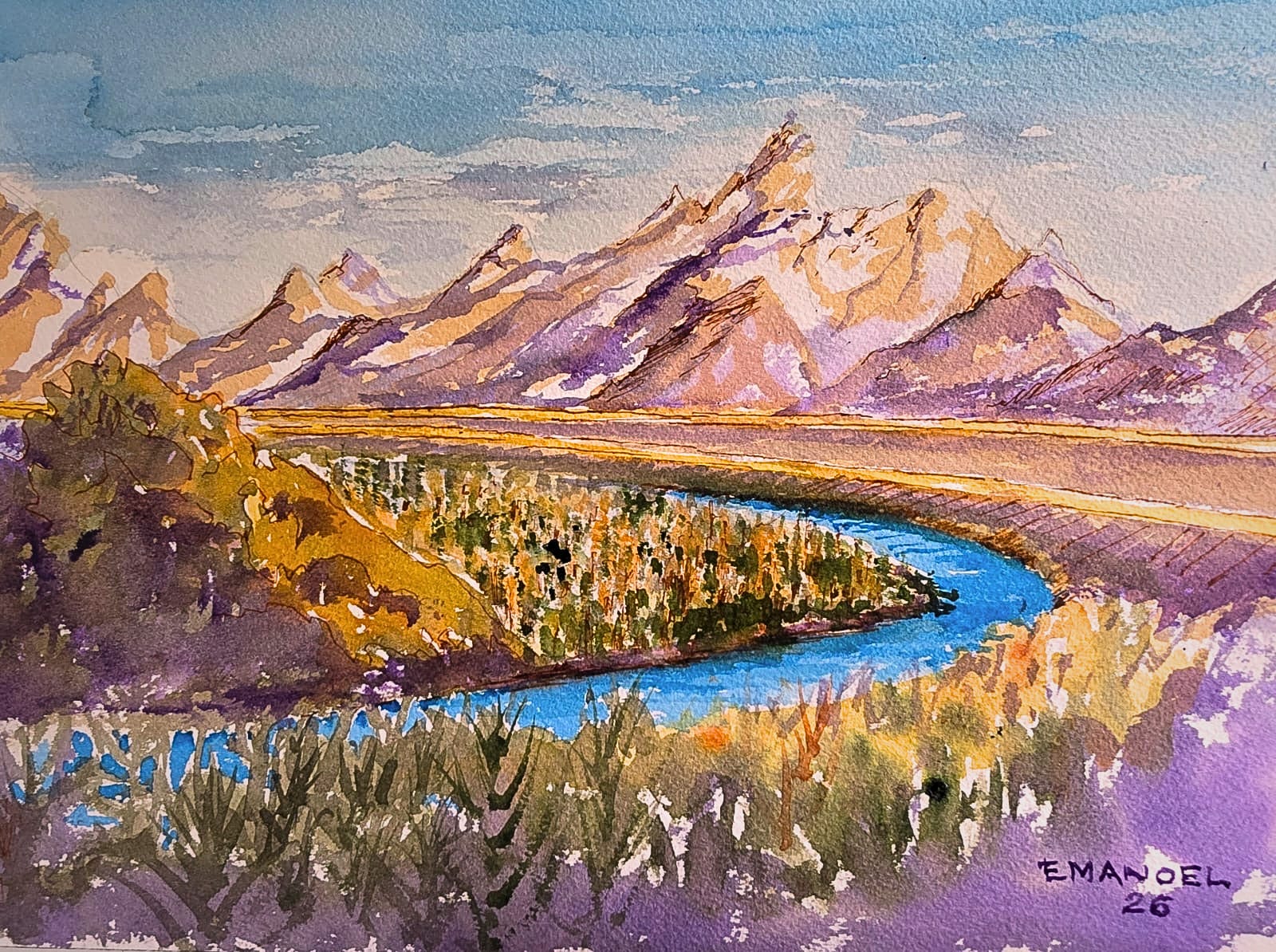
A few years ago, my husband wanted to explore the West and unsuspectingly took me to Wyoming, where the Snake River flows through the Teton Mountain Range. It only took a few splashes of this river’s water for me to catch what I believe to be an incurable, intense lust for the American West.
Norman Maclean’s semi-autobiographical novel, A River Runs Through It, inspired Robert Redford to make a stunning film of the same name. The rivers of Montana are central characters in both the book and the movie.
When I learned that Maclean had been a student of Robert Frost at Dartmouth, I began to find echoes of Frost’s pragmatism in the narrative of A River Runs Through It.
Remember, it was Frost who said, “The best way out is always through,” and “In three words, I can sum up everything I’ve learned about life: it goes on.”
Is the pragmatic undercurrent that I notice in Maclean’s poetic novel the influence of Frost, or is it simply part of the nature of rivers?
Rivers: abundant, mysterious, and liberating; dividing, drowning, and cold.
May we always feel the rush of their flow.

Dearest Reader:
At this bend, I leave you—at least for now.
I will be taking three months off from posting to polish these personal essays and perhaps submit the best ones to a few publications. Our full year of work will remain available at codenamehummingbird.substack.com
It’s not yet clear what will happen in October. Come back here? Start anew elsewhere?
I don’t know.
Surely, goodness and mercy will follow.
PS: Here’s a public Spotify playlist with all the songs from my posts, plus that one you like so much.
They said:
The river always finds a way. — A. A. Milne
When I was about fifteen, I went to work at Yosemite National Park. It changed me forever. Nature had carved its own sculpture, and I was part of it, not the other way around. — Robert Redford
We can love completely what we cannot completely understand. ― Norman Maclean
A poem begins as a lump in the throat, a sense of wrong, a homesickness, a lovesickness. ― Robert Frost
Credits:
Watercolor paintings by Emanoel P. Barreto.